
Mastering the basics of gambling A beginner's pathway to understanding the odds
Understanding the Fundamentals of Gambling
Gambling is a practice that dates back centuries, and it encompasses a range of activities from betting on sports to playing card games. At its core, gambling involves risking something of value on an outcome that is primarily influenced by chance. For beginners, it’s essential to grasp these fundamentals to navigate the often overwhelming world of gambling. In this context, if you’re curious about the latest updates, you can check the monopoly live results today.

One of the first concepts to understand is the notion of risk versus reward. The thrill of gambling lies in the uncertainty of outcomes, which can lead to both losses and wins. Understanding that each game has its own mechanics and house edge is crucial for making informed decisions while playing.
The Importance of Odds in Gambling
Odds are a fundamental part of gambling, serving as a mathematical representation of the likelihood of a specific outcome occurring. For beginners, recognizing how to read and interpret odds can significantly influence their betting strategies. Odds can be expressed in various formats, including fractional, decimal, and moneyline, each offering insight into potential payouts.
By understanding odds, players can better assess whether a bet is worth making. For example, a higher probability may indicate lower payouts but offers a safer wager, while a bet with long odds can yield a more significant return but comes with a greater risk of losing. Mastering how to evaluate these odds is key to responsible gambling.
Types of Gambling Games
Gambling encompasses a wide variety of games, each with its unique rules and strategies. Common categories include table games like blackjack and roulette, as well as slot machines and sports betting. Each game presents different levels of complexity, and beginners should familiarize themselves with the basic rules before diving in.
Additionally, it’s important to recognize that not all games are created equal when it comes to odds. Some games, like poker, involve skill and strategy, whereas others, such as slots, are purely based on chance. Understanding the nature of each game can help players choose where to invest their time and money wisely.
Strategies for Responsible Gambling
As with any form of entertainment, responsible gambling is vital. Beginners should establish a clear budget and stick to it to avoid the pitfalls of chasing losses. Setting limits can help maintain a healthy relationship with gambling and ensure that it remains a fun activity rather than a financial burden.
Moreover, understanding when to walk away is equally important. The excitement of winning can be exhilarating, but losses are an inevitable part of gambling. Knowing when to take a break or limit your bets can lead to a more enjoyable experience and long-term sustainability in your gambling journey.
Exploring Live Casino Experiences
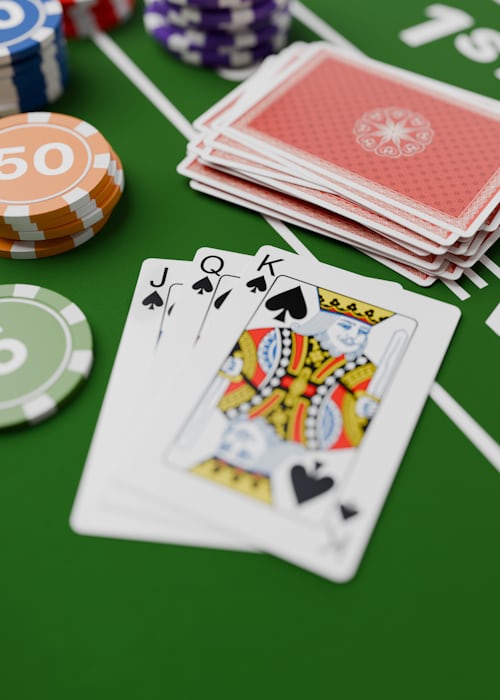
For beginners looking for an immersive experience, live casinos offer an exciting blend of traditional gameplay and modern technology. Platforms that combine interactive elements with live dealers can enhance the thrill of gambling. This format allows players to engage with a real host while enjoying classic games from the comfort of their homes.
These platforms often provide a wealth of resources, including gameplay mechanics and strategies, to help new players feel more confident. By taking advantage of these learning opportunities, beginners can develop their skills and knowledge in an engaging and entertaining environment.